Camden Lock Market: Opening Times, Food, Shops & History
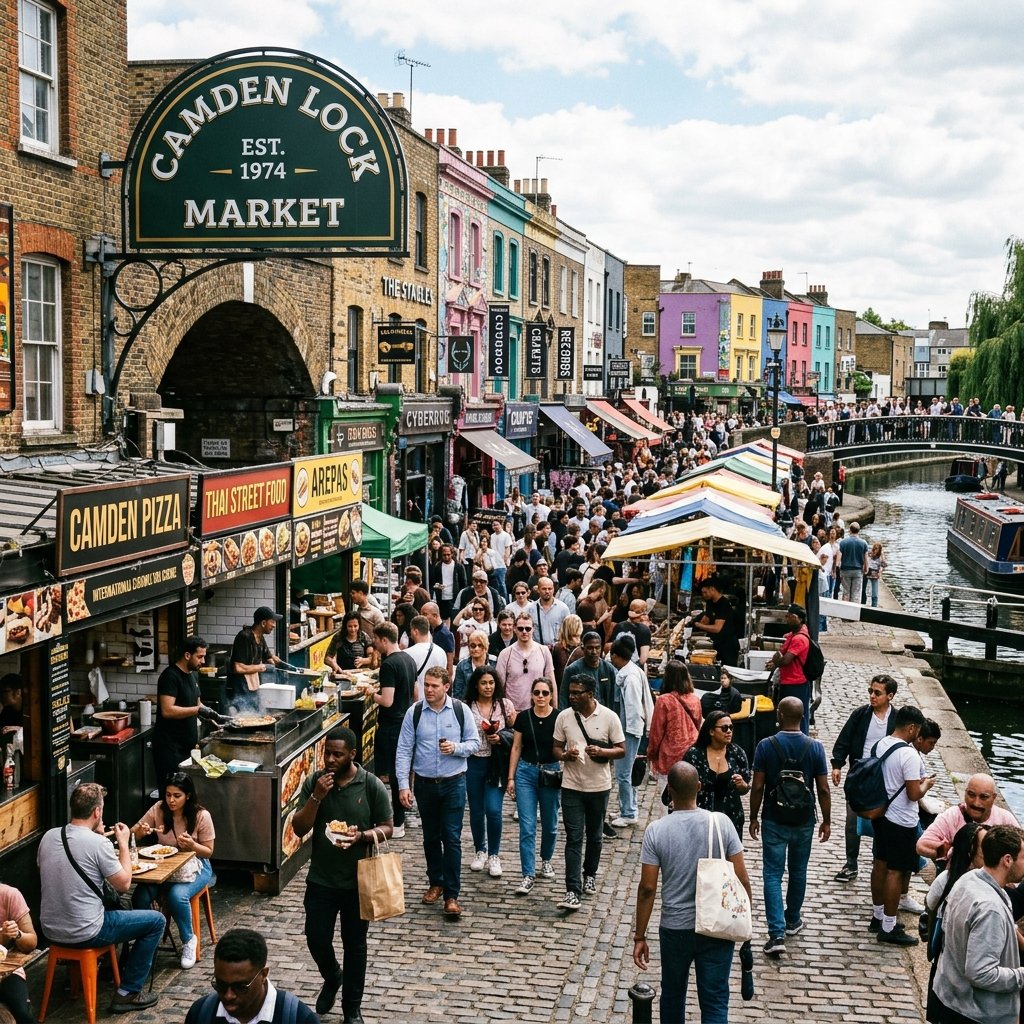
Camden Lock Market is a historic market beside Regent’s Canal in North London. Founded in 1974, it is known for independent traders, handmade crafts, vintage finds, street food, and its canalside setting. The market is free to enter and generally open daily from 10am to 7pm, although individual trader hours can vary.
Camden Market gets plenty of attention, but Camden Lock has its own character. From narrowboats passing through the lock to food stalls and independent shops, it offers a relaxed way to experience the heart of Camden.
What Is Camden Lock Market, and How Does It Differ from Camden Market?
Camden Lock Market is one of six distinct markets that collectively make up the wider Camden Market complex. It sits on the north bank of Regent’s Canal and is the original 1974 market the starting point of everything Camden Market became. Its identity is built around handmade crafts, canal-side stalls, and a three-storey Victorian-style indoor hall.
The phrase “Camden Market” is used so loosely that many visitors don’t realize they’re moving between six separate markets with six distinct personalities. Camden Lock Market is the original and arguably the most important.
Located on the north bank of Regent’s Canal, it takes its name from the Hampstead Road Lock (more on that below). The atmosphere here leans heavily toward handmade, independent, and artisan crafts, vintage clothing, jewellery, vinyl, and food stalls cluster around the canalside courtyards and the indoor hall.
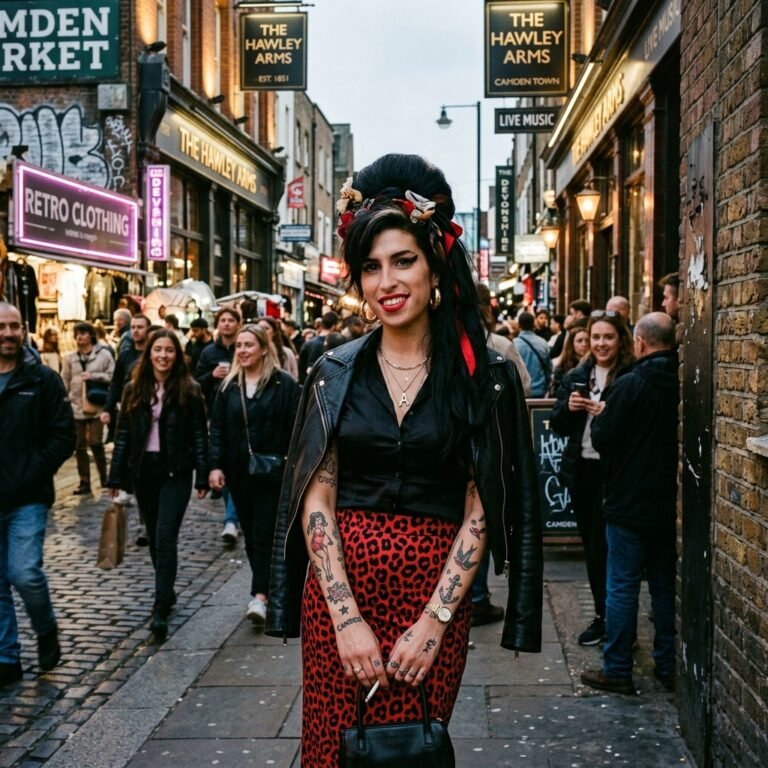
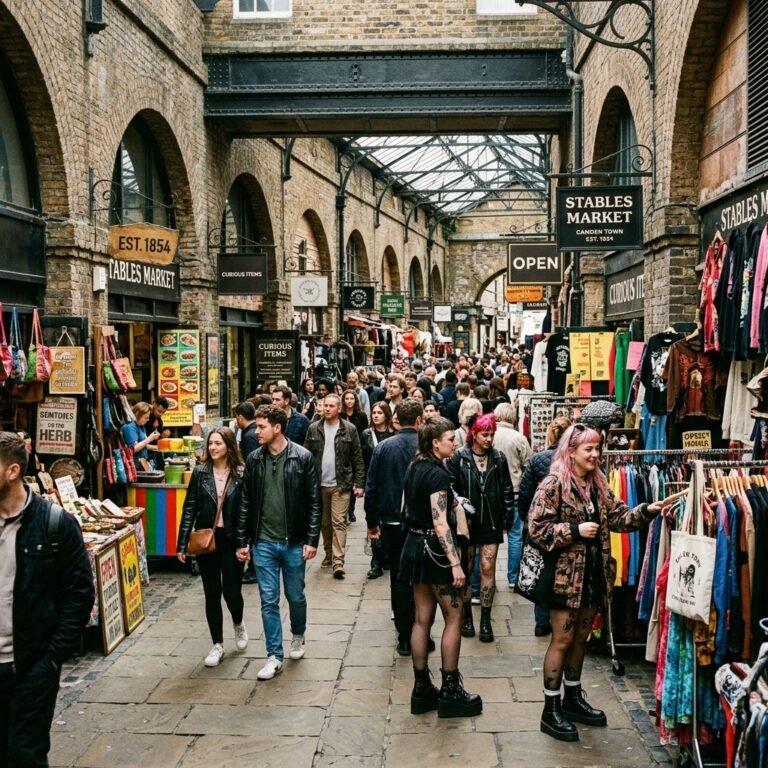
This is not the gothic streetwear territory of the Stables Market, the sleek food halls of Hawley Wharf, or the budget fashion of Buck Street. Camden Lock is where the market began, and where its original character is still most intact.
What Are Camden Lock Market’s Opening Times?
Camden Lock Market is open Monday to Sunday, 10am–7pm, including bank holidays. Food stalls tend to trade until 7pm or later. Thursday Night Markets extend trading until 9pm. Individual stall hours vary, and weekend trading is significantly busier than weekday trading.
| Day | Camden Lock Market | Night Market |
| Monday–Wednesday | 10am–7pm | No |
| Thursday | 10am–7pm | Until 9pm |
| Friday–Saturday | 10am–7pm | No |
| Sunday | 10am–7pm | No |
A few things worth knowing before you visit:
- Weekday mornings (10am–12pm) see the lightest footfall ideal if you want to browse without crowds
- Weekend afternoons (12pm–5pm) are the busiest periods by a significant margin
- Individual traders are independent businesses, so some open later or close earlier than the market-wide hours
- Christmas period can bring extended or amended hours check camdenmarket.com before visiting in December
What Is Inside the Camden Lock Indoor Market Hall?
The Camden Lock indoor market hall is a three-storey Victorian-style structure designed by architect John Dickinson, opened in 1991. Built from brick and cast iron, it houses food traders on the ground floor, crafts and vintage stalls on the first floor, and accessories and jewellery on the top floor. It is the best shelter on a rainy day.
The hall stands on the site of the market’s original outdoor stalls. Dickinson’s design deliberately mirrors the industrial architecture of the surrounding area exposed brickwork, cast-iron columns, and timber detailing that feels authentic rather than reconstructed.
Floor-by-floor breakdown:
- Ground floor Street food, hot meals, fresh coffee, and market produce
- First floor Handmade crafts, vintage clothing, art prints, and records
- Top floor Jewellery, accessories, and smaller independent makers
The hall is Camden Lock’s great secret weapon in poor weather. While the outdoor canalside stalls thin out in the rain, the indoor hall stays warm, well-lit, and fully operational. It also survived the 2017 fire in large part due to fast response from London Fire Brigade though the building housing Honest Burger on the ground floor of an adjacent structure suffered significant damage.
What Are the Best Shops at Camden Lock Market?
The best shops at Camden Lock Market include Camden Watch Co. for locally designed timepieces, Vintage Bunch for curated retro womenswear, Camden Coffee Roastery for specialty coffee, Chin Chin Labs for liquid nitrogen ice cream, and Camden Retro Signs for hand-painted vintage signage. These traders define Camden Lock’s handmade, independent identity.
Here are standout traders worth finding on your visit:
| Trader | Specialism | Why It’s Worth It |
| Camden Watch Co. | Locally designed watches | Unique London-made timepieces you won’t find elsewhere |
| Vintage Bunch | Retro womenswear | Carefully curated, not the chaotic rails of the Stables |
| Camden Coffee Roastery | Specialty coffee | Beans roasted on-site, excellent espresso |
| Chin Chin Labs | Liquid nitrogen ice cream | Europe’s first nitrogen ice cream parlour |
| Camden Retro Signs | Hand-painted vintage signs | Custom and ready-made pieces, genuinely skilled craft |
What Food Is Camden Lock Market Famous For?
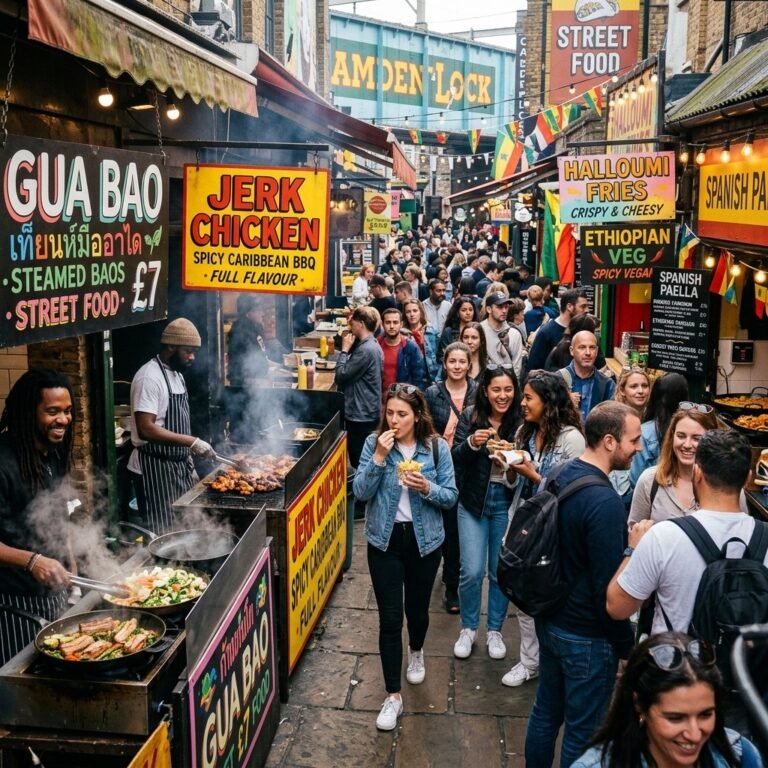
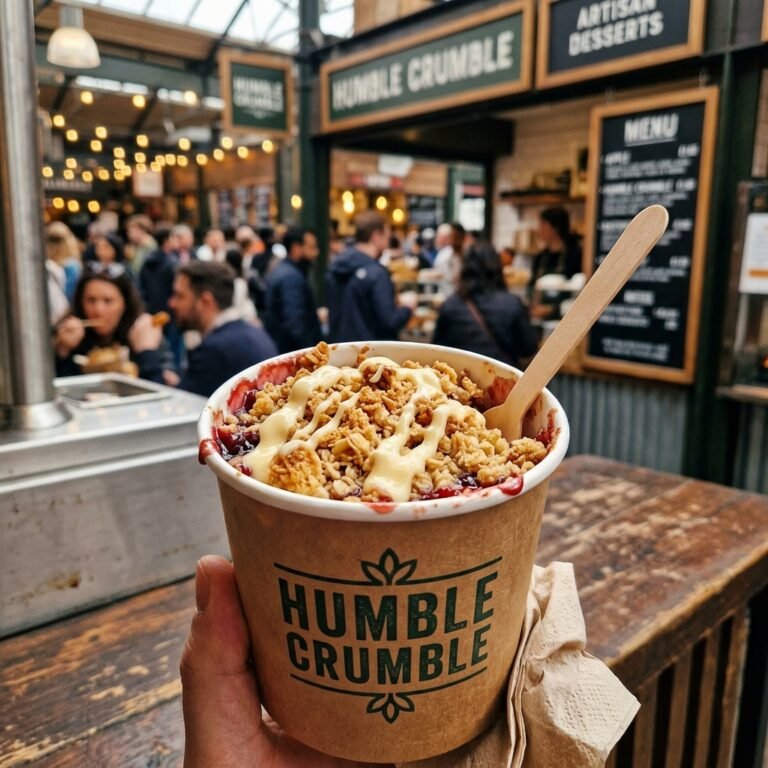
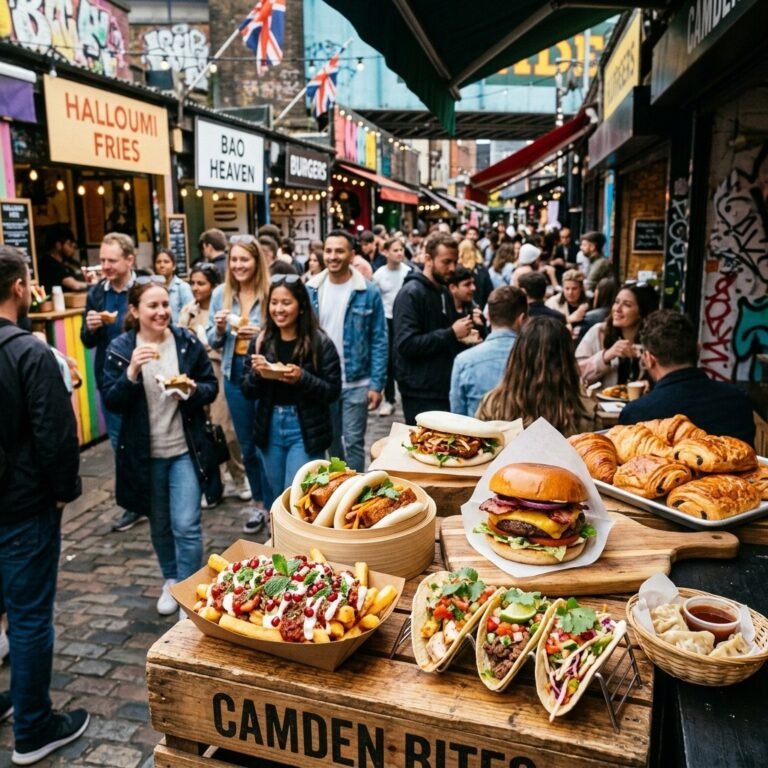
Camden Lock Market is famous for its diverse street food, led by cult traders including Chin Chin Labs (liquid nitrogen ice cream), Humble Crumble (warm fruit crumbles), and The Cheese Bar. Food stalls line both the indoor hall and the outdoor canalside walkway, with trading running until 7pm daily.
- Chin Chin Labs Europe’s first liquid nitrogen ice cream parlour, located at 49–50 Camden Lock Place. The burnt butter caramel flavour has a loyal following. Expect a short queue on weekends.
- Humble Crumble Warm crumbles made to order. Best on a cold afternoon.
- The Cheese Bar One of London’s most dedicated cheese-focused restaurants, serving raclette, fondue, and grilled cheese sandwiches.
- Canalside vendors The outdoor stalls along the canal walkway serve everything from Korean BBQ to Middle Eastern flatbreads
| Area | Food Character | Best For |
| Camden Lock | Artisan, craft-focused food | Unique traders, canal atmosphere |
| West Yard | Higher variety, more international | Trying lots of different cuisines |
| Hawley Wharf | 60+ providers, later hours (until 11pm) | Evening dining, modern food hall experience |
How Do You Get to Camden Lock Market?
The closest tube station to Camden Lock Market is Camden Town on the Northern line, a two-minute walk south of the market. Chalk Farm station is a five-minute walk and better for the Stables Market end. You can also arrive by canal boat via London Waterbus, which drops passengers at West Yard, adjacent to Camden Lock.
Getting there:
- Camden Town tube (Northern line) 2-min walk. Exit the station and head north on Camden High Street, then turn left toward the canal. Most direct option.
- Chalk Farm tube (Northern line) 5-min walk. Better if you’re heading to the Stables Market first and working back toward Camden Lock.
- Camden Road Overground 8-min walk. Useful if arriving from East London.
- London Waterbus 45-minute guided canal boat trip from Little Venice, arriving at West Yard directly beside Camden Lock Market. Single tickets cost approximately £13–17. An excellent way to approach the market for first-time visitors.
- On foot from Primrose Hill Around 15 minutes through a quieter residential approach best in summer.
What Is the History of Camden Lock Market?
Camden Lock Market opened on 30 March 1974 as a small Sunday crafts market with 16 stalls in the old T.E. Dingwall timber yard on the north bank of Regent’s Canal. It grew into one of London’s most visited destinations, attracting around 250,000 visitors per week and ranking as the fourth most popular visitor attraction in the city.
| Year | Event |
| 1974 | Market opens with 16 stalls in the T.E. Dingwall timber yard (Sundays only) |
| Late 1970s | Northern urban motorway plans abandoned; market becomes permanent |
| 1980s | Extended to Saturdays; growing international reputation |
| 1991 | Three-storey indoor hall opens, designed by architect John Dickinson |
| 1993 | IRA bomb detonates nearby on Camden High Street, injuring 11 people |
| 1994 | Sunday Trading Act passes; Camden Lock had already been trading Sundays for 20 years |
| 2014 | LabTech (Teddy Sagi’s company) begins acquiring market properties for £685 million |
| 2017 | Fire breaks out on 10 July; 70 firefighters and 10 engines attend; 5–10% of the market damaged |
| 2021 | Hawley Wharf opens as newest sub-market on former Canal Market site |
Wayne and Gerardine Hemingway later the founders of fashion label Red or Dead were among the earliest traders at Camden Market, selling secondhand clothing from a stall. Their presence signals just how significant the market was as an incubator for independent creative businesses in the late 1970s and early 1980s.
What Is the Camden Lock Itself, and Where Is the Hampstead Road Lock?
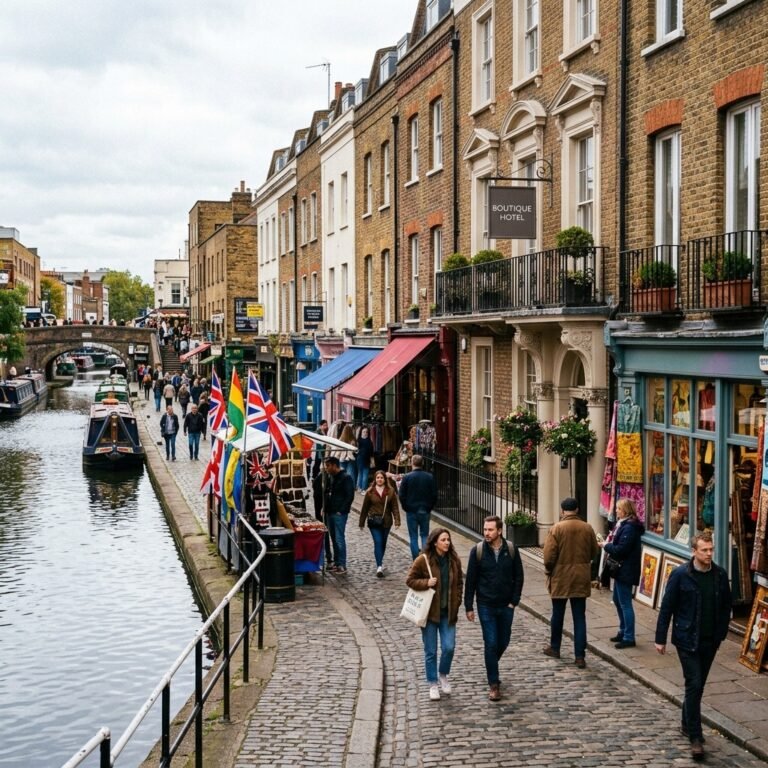
The canal lock that gives Camden Lock Market its name is officially called the Hampstead Road Lock, located on the Regent’s Canal just south of the market. It is a working lock still used by narrowboats today. The lock keeper’s cottage beside it now operates as a Starbucks an unlikely but iconic photo opportunity.
The market is technically named after the lock’s location, not the lock itself but the distinction is rarely made. The three locks in this stretch of the Regent’s Canal give the area its layered identity, and the working waterway remains a living part of the market’s character.
Practical tips for the lock:
- Best time to see narrowboats working through: weekend mornings, 10am–12pm, when boat traffic is highest
- The lock keeper’s cottage/Starbucks sits directly beside the lock easy to spot
- Excellent photography spot from the iron bridge above the lock, looking back toward the market
- The canal towpath leads west toward Primrose Hill and east toward King’s Cross St. Pancras
How Does Camden Lock Market Compare to Other Camden Markets?
Camden Lock Market is the original 1974 market, best suited to first-time visitors and those seeking handmade goods, vintage fashion, and canalside food. The Stables Market specializes in gothic and alternative subculture. Hawley Wharf offers late-night food and modern retail. Buck Street is best for budget fashion.
| Market | Character | Best For | Open Since |
| Camden Lock Market | Craft, handmade, canalside | First-timers, food, vintage | 1974 |
| Stables Market | Gothic, alternative, vintage furniture | Subculture, antiques | 1990s |
| Hawley Wharf | Modern food halls, contemporary retail | Evening dining, shopping | 2021 |
| Buck Street Market | Budget fashion, street goods | Affordable clothing | Closed/rebuilt |
| Electric Ballroom | Vinyl, CDs, club nights | Music, alternative fashion | Weekends |
| Inverness Street | Touristy stalls, street food | Quick browse near tube | Late 19th century |
Camden Lock is the most photographed, the most historically significant, and the best starting point for any first visit to the wider complex.
When Is the Best Time to Visit Camden Lock Market?
The best time to visit Camden Lock Market for a relaxed experience is a weekday morning between 10am and noon. For atmosphere and the widest range of trading stalls, Saturday morning (10am–12pm) before crowds peak is ideal. Sunday is slightly quieter than Saturday. Avoid Saturday afternoons if you dislike crowds.
- Quietest: Monday–Wednesday, 10am–12pm
- Best for photos: Weekend mornings before 11am, when the market has stalls set up but foot traffic is low
- Best for atmosphere: Saturday or Sunday, 11am–2pm
- Busiest (avoid if crowd-averse): Saturday and Sunday, 12pm–5pm
- Best for evening: Thursday Night Market, open until 9pm
Frequently Asked Questions
Is Camden Lock Market the same as Camden Market?
No. Camden Lock Market is one of six distinct sub-markets within the wider Camden Market complex. The term “Camden Market” is often used loosely to describe the entire area, but Camden Lock is specifically the original 1974 canalside market separate from Stables Market, Hawley Wharf, Buck Street, Electric Ballroom, and Inverness Street Market.
When did Camden Lock Market open?
Camden Lock Market opened on 30 March 1974 as a small Sunday crafts market with 16 stalls in the former T.E. Dingwall timber yard on the north bank of Regent’s Canal in Camden Town, North London.
Is Camden Lock Market open every day?
Yes. Camden Lock Market is open seven days a week, Monday to Sunday, from 10am to 7pm, including bank holidays. Thursday Night Markets extend trading until 9pm. Individual trader hours may vary.
Is Camden Lock Market indoor or outdoor?
Both. Camden Lock Market includes a three-storey indoor market hall designed by architect John Dickinson (opened 1991), as well as extensive outdoor canalside stalls and courtyard areas. The indoor hall is the best option during poor weather.
What is Camden Lock Market famous for?
Camden Lock Market is famous for its handmade crafts, independent vintage traders, diverse street food, canalside setting on Regent’s Canal, and its status as London’s original craft market. It attracts approximately 250,000 visitors per week and is London’s fourth most visited tourist attraction.
What is the closest tube station to Camden Lock Market?
Camden Town station on the Northern line is the closest tube stop, approximately a two-minute walk south of the market. Chalk Farm station is around a five-minute walk and is better if you’re heading to the Stables Market end of the complex first.
Is Camden Lock Market free to enter?
Yes. Entry to Camden Lock Market is completely free. There is no admission charge for the outdoor areas or the indoor market hall. Individual food and retail purchases are at traders’ own pricing.
Are dogs allowed at Camden Lock Market?
Yes. Dogs are welcome at Camden Lock Market and are commonly seen throughout the canalside outdoor areas and indoor hall. Dogs should be kept on a lead at all times given the crowds, particularly on weekends.
Is Camden Lock Market wheelchair accessible?
The ground floor of the indoor hall and the outdoor canalside areas are generally accessible for wheelchair users. Upper floors of the indoor market hall involve steps and have limited accessibility. Cobblestones in some outdoor courtyard sections may be challenging for manual wheelchairs.
What happened to Camden Lock Market in the 2017 fire?
On 10 July 2017, a large fire broke out just after midnight at Camden Lock Market, requiring 70 firefighters and 10 fire engines. The blaze began in a building containing an Honest Burger restaurant, damaging the first, second, and third floors and the roof. According to witnesses, only around 5–10% of the total market was affected, and much of the market reopened the same day.